As we stand at the dawn of 2026, the landscape of web development continues to evolve at a dizzying pace. The web development trends of 2026 are not just shaping how websites look and function but are fundamentally transforming the interactions we have online. Whether you're a seasoned developer or a business owner looking to understand what's next, keeping up with these changes is crucial.
1. Artificial Intelligence and Machine Learning in Web Development
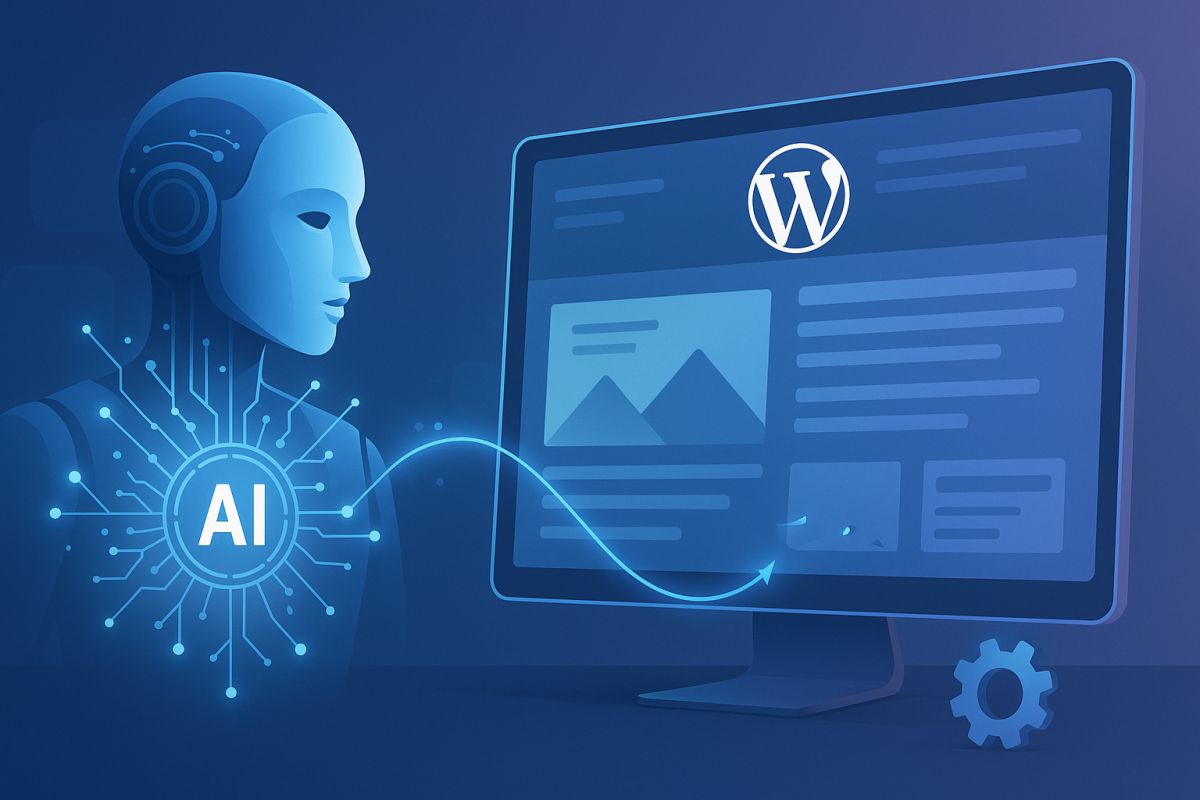
AI and machine learning have been buzzwords for years, but their real-world applications in web development are now more tangible. Imagine a website that learns from user interactions to offer a personalized experience. For example, an online clothing store using AI can suggest apparel based on past purchases and browsing habits, much like a friendly shop assistant recognizing your preferences.
How to Implement AI in Your Projects
Start small by integrating AI-powered chatbots to enhance customer service. Platforms like Dialogflow make it easier for developers to create bots that can handle customer inquiries efficiently, freeing up human resources for more complex tasks.
2. The Rise of Progressive Web Apps (PWAs)
Progressive Web Apps continue to blur the lines between web and mobile applications. They offer the advantages of a mobile app without requiring users to download anything from an app store. PWAs are fast, reliable, and deliver an engaging user experience, even in areas with poor internet connectivity.
Embracing PWAs
Consider transforming your existing website into a PWA. Tools like PWABuilder can help you get started, enabling features like offline access and push notifications, which enhance user engagement significantly.
3. Enhanced Front-End Development with WebAssembly
WebAssembly, or Wasm, is like the secret sauce that is making browsers more powerful than ever. It’s enabling developers to run complex, performance-intensive applications that were once the domain of desktop software, right in the browser. Think of it as adding a turbocharger to your web applications.
Getting Started with WebAssembly
If you're curious about incorporating WebAssembly, start by identifying parts of your app that could benefit from enhanced performance, such as graphics rendering or data processing. Tutorials and communities around WebAssembly are growing, making it easier to learn and implement.
4. Voice Search Optimization
With smart speakers and voice-activated devices becoming household staples, optimizing for voice search is no longer optional. Users are searching the web using natural language, and websites need to adapt to this shift.
Optimizing for Voice Search
Focus on creating content that answers questions directly. Implement structured data and leverage FAQs to ensure your website's content is easily discoverable by voice search engines. This approach mimics how you'd explain something to a friend, making your site more accessible and user-friendly.
5. Cybersecurity Enhancements
As web technologies advance, so do security threats. Ensuring your web applications are secure is crucial in maintaining user trust and complying with international data protection regulations.
Building a Secure Web Environment
Adopt practices such as regular security audits and using HTTPS protocols. Educate your team about the latest security threats and solutions. Remember, securing your web app is like locking the doors to your house—it's essential, not optional.
As you navigate these web development trends in 2026, remember that staying informed and adaptable is key. Whether it's embracing AI, adopting PWAs, or securing your web applications, each step you take will prepare you for the future of web development.
If you're looking for expert guidance on implementing these trends, consider reaching out to devsEye, a digital agency dedicated to helping businesses grow online. Their team can provide the insights and support you need to stay ahead in this ever-changing digital landscape.