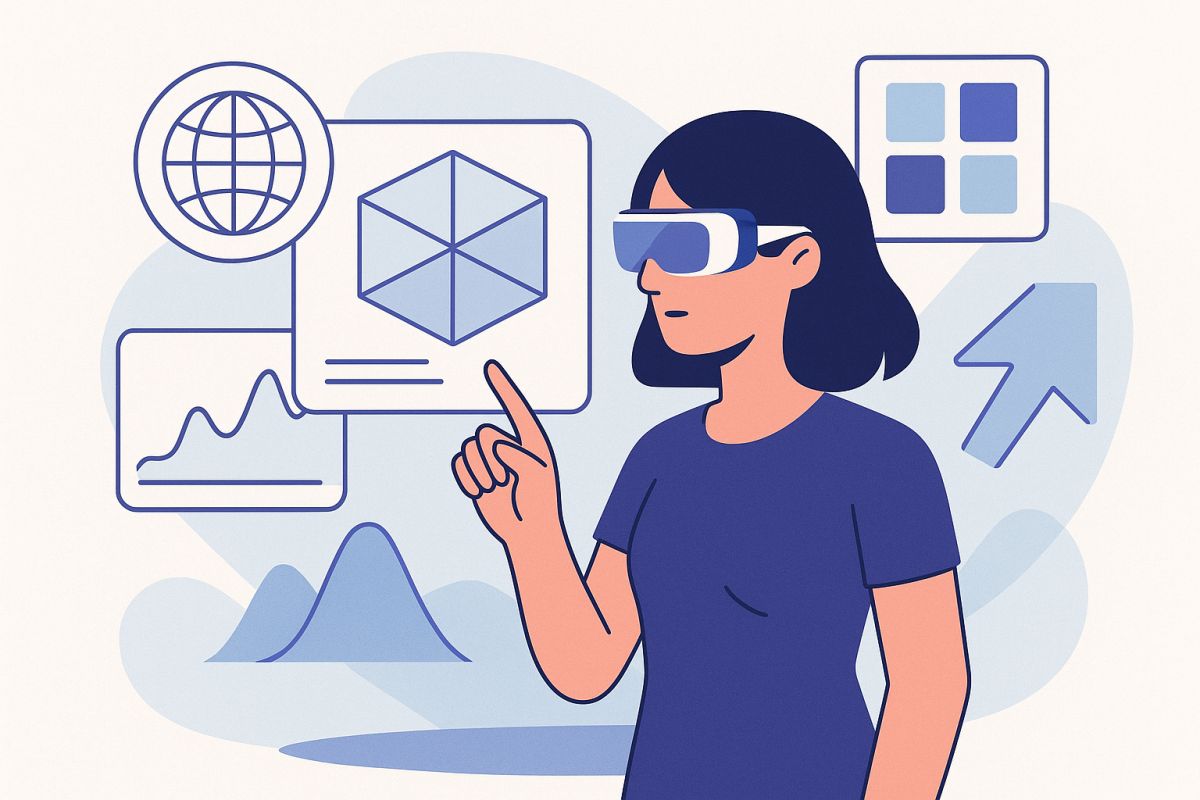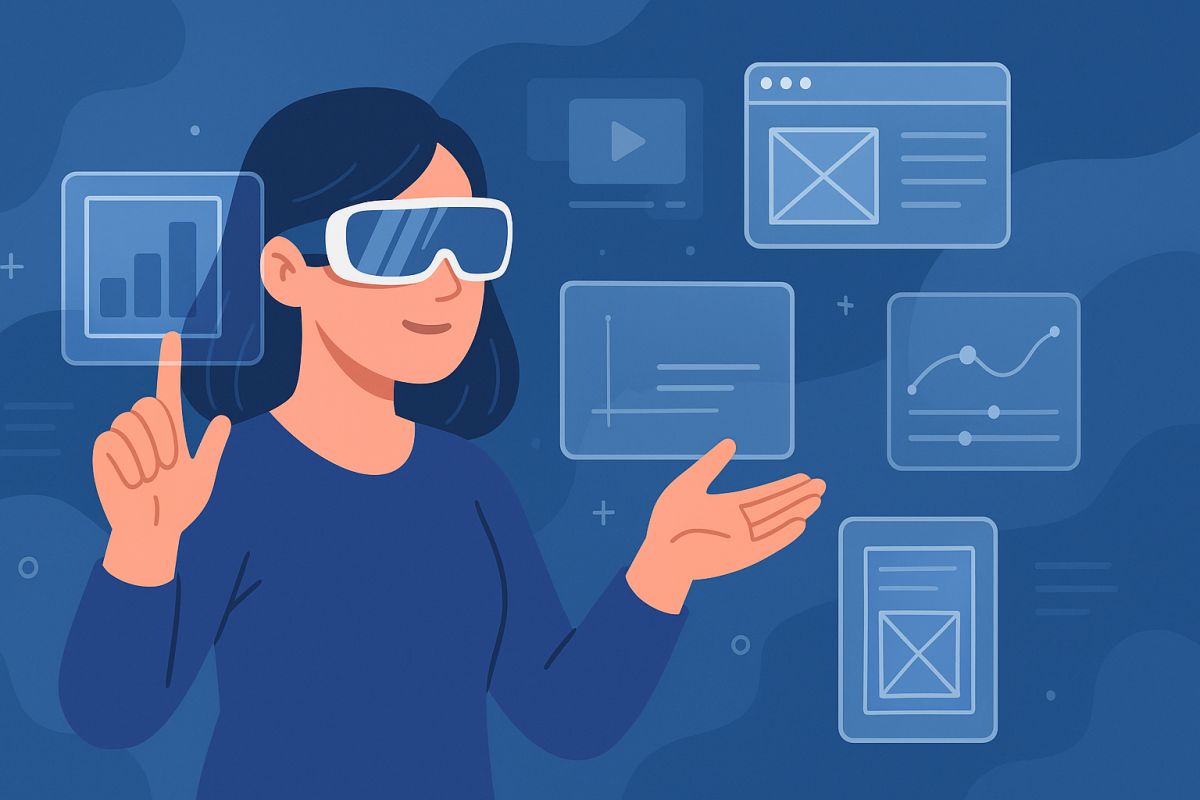
As we step into 2026, the landscape of Augmented Reality UI/UX Design has evolved dramatically, offering unprecedented opportunities for creativity and user engagement. The integration of AR into UI/UX design is not just a trend—it's a revolution reshaping how we interact with technology on a daily basis.
The Journey of Augmented Reality in UI/UX
Remember the first time you experienced a 3D movie? The thrill of objects seemingly jumping out of the screen was a glimpse into the possibilities of augmented reality (AR). Just as that technology transported audiences into new dimensions, AR is now transforming UI/UX design, moving beyond mere gimmicks to practical applications.
From Concept to Reality
Initially, AR in UI/UX was experimental, often seen in gaming where Pokémon Go famously brought virtual creatures into real-world settings. Fast forward, AR is integrated into mobile apps, smart glasses, and even web browsers, making it a staple in user experience (UX) design.
Trends in Augmented Reality UI/UX Design 2026
The trends for 2026 highlight a shift towards more intuitive and immersive experiences. Let's explore what's on the horizon:
1. Enhanced Personalization
Imagine walking into a store and your smart device automatically suggests products based on your past purchases and preferences, displayed in an AR overlay. This is becoming a reality as brands leverage AR to create personalized shopping experiences. Companies like IKEA have already implemented AR to allow customers to visualize furniture in their homes before purchasing.
2. Seamless Integration
AR design is moving towards a seamless integration with everyday life. Think of AR as a helpful companion rather than a separate technology. For example, navigation apps now use AR to provide real-time direction overlays on your smartphone, making it easier to navigate complex environments without constantly looking down at a map.
3. User-Centric Interactions
AR is enhancing user-centric design by focusing on intuitive interactions. Picture a virtual assistant, like those in sci-fi movies, that appears in your living room to help with tasks—this is where AR is headed. Companies are investing in user research to create gestures and controls that feel natural and instinctive.
Practical Tips for Embracing AR in UI/UX Design
To fully harness the power of AR in your design projects, consider these actionable tips:
Embrace Simplicity
Resist the temptation to overload users with too many AR elements. Focus on enhancing, not overwhelming, the user experience. Simplicity ensures that users can easily navigate and interact with your application without confusion.
Focus on Accessibility
Design with inclusivity in mind. Ensure that your AR applications are accessible to users with different abilities. This might mean providing alternative ways to interact with AR elements, such as voice commands or touch-free gestures.
Leverage Real-Time Data
Use real-time data to make your AR applications more responsive and relevant. For instance, a weather app that changes its display based on the user's location and current weather conditions can provide a more engaging and useful experience.
[h2] The Future of UX Design: What's Next? [/h2]In 2026, the future of UX design is being written in AR. As technology continues to advance, AR will become even more integrated into our daily lives, offering new ways to interact and engage with digital content. The possibilities are vast, from virtual fitting rooms in retail to immersive educational experiences in classrooms.
Storytelling through AR
Consider the power of storytelling—an age-old method of sharing knowledge and culture. AR takes storytelling to a new level by creating interactive narratives that users can experience firsthand. Imagine a museum where exhibits come to life through AR, telling their own stories as visitors explore.
As you navigate this landscape, remember that the key to successful AR design lies in understanding your users and crafting experiences that truly resonate with them.
In conclusion, the evolution of Augmented Reality UI/UX Design in 2026 is a testament to the incredible potential of technology to enhance our interactions with the world. By staying informed about these trends and incorporating AR thoughtfully into your designs, you can create experiences that are both innovative and meaningful.
If you're ready to explore the possibilities of AR in UI/UX design, consider partnering with devsEye, a digital agency dedicated to helping businesses grow online. Whether you're looking to enhance your existing applications or develop new AR-driven solutions, devsEye can guide you every step of the way.
Contact devsEye today to start your journey into the future of digital design.