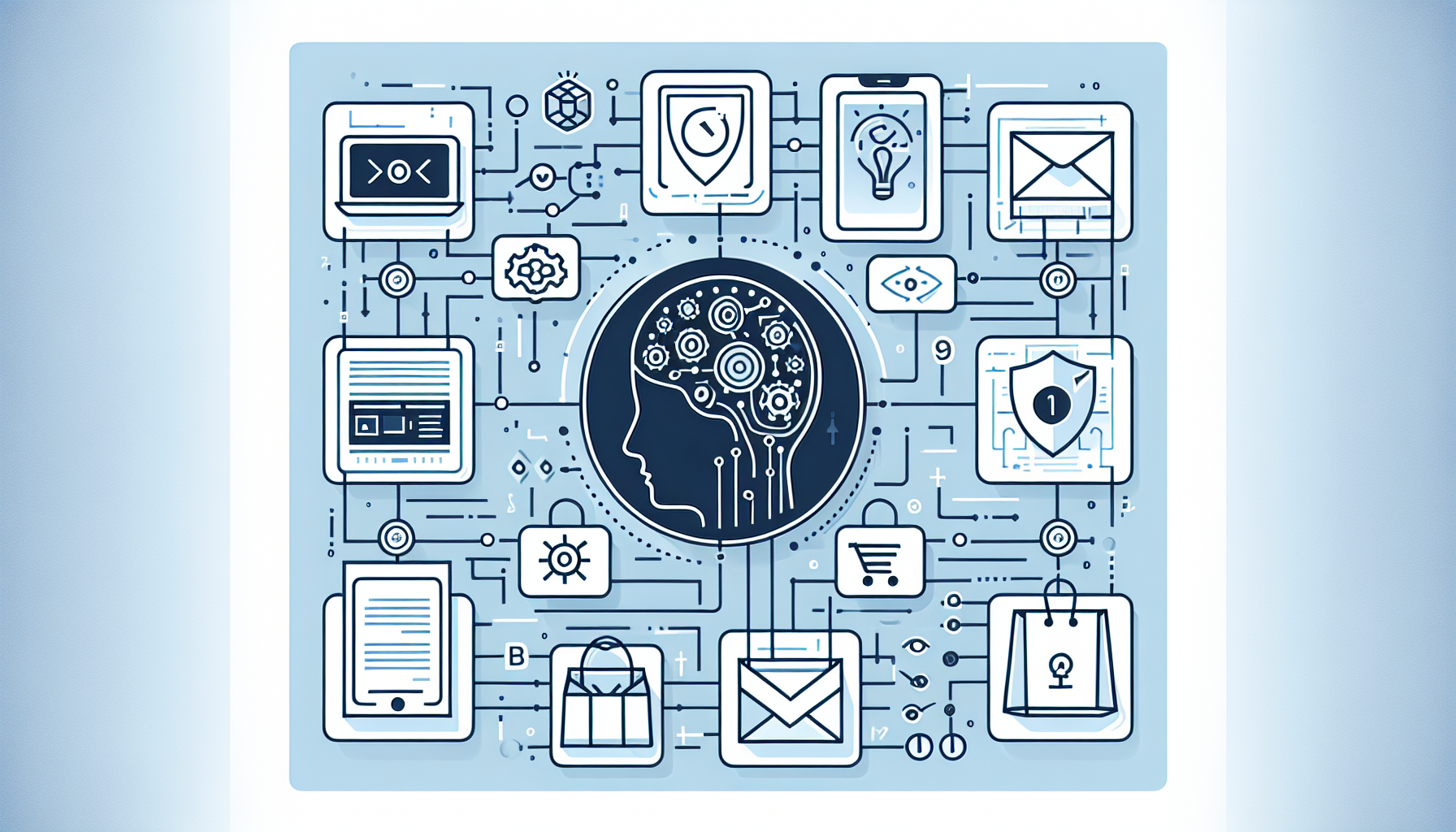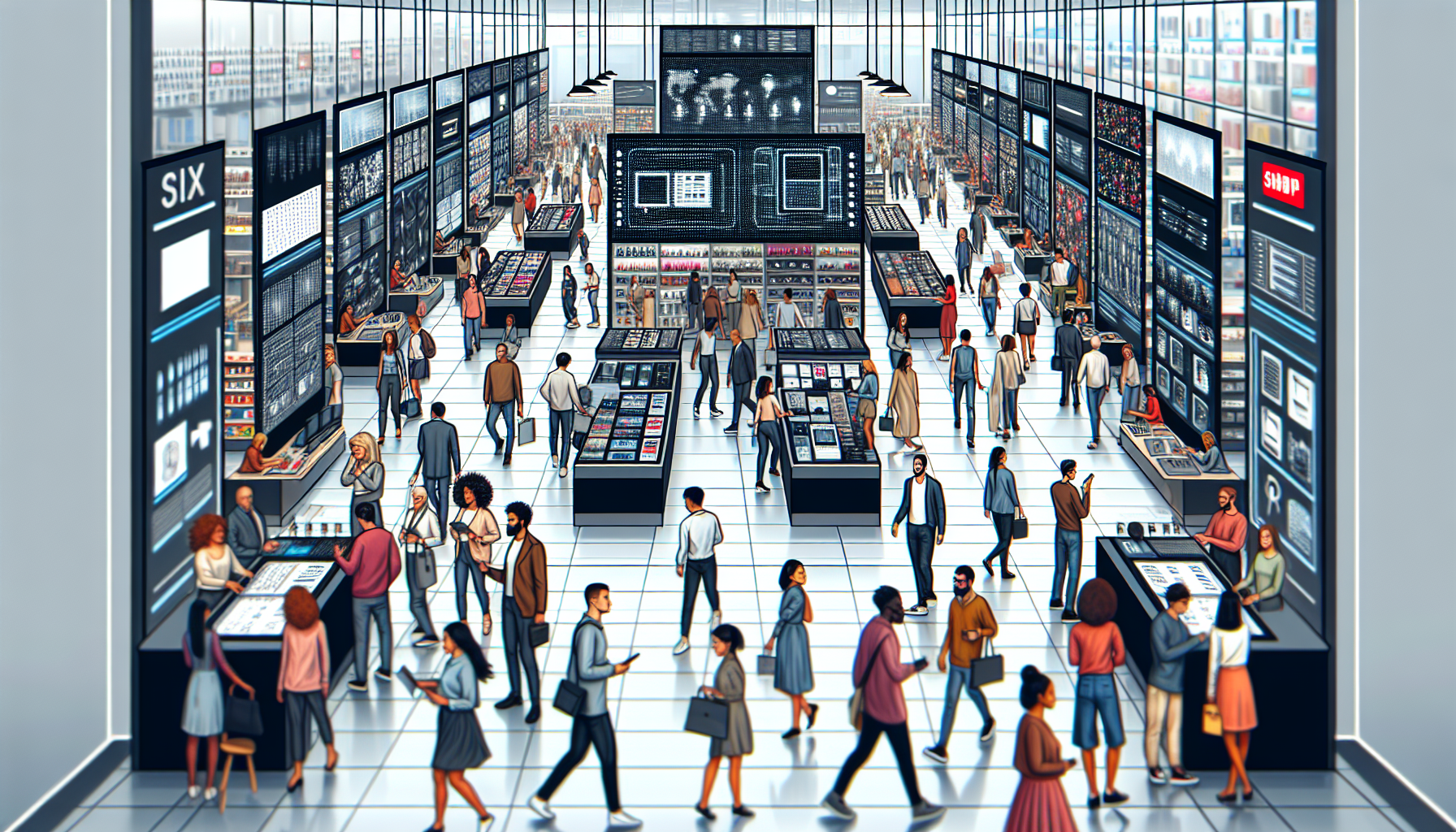
In 2026, omnichannel retail is no longer just a buzzword; it's a fundamental strategy that businesses are embracing to thrive in a competitive market. With AI in e-commerce driving digital transformation, the future of retail is here. Imagine walking into a store where your previous online searches and preferences are already known, offering you a truly personalized shopping experience. This seamless integration of online and offline channels is the core of omnichannel retail.
Understanding Omnichannel Retail in 2026
Omnichannel retail is about creating a cohesive shopping experience across all platforms—be it online, in-store, or on a mobile app. It's like having a conversation with a friend where you can pick up right where you left off, regardless of the last mode of communication. Retailers are harnessing AI to ensure these interactions are consistent and personalized, making customers feel valued and understood.
AI: The Backbone of Modern Retail
AI in e-commerce is akin to having a personal shopping assistant who knows your tastes and preferences. It analyzes data, predicts trends, and provides insights that help retailers make informed decisions. For instance, AI algorithms can suggest products based on your past purchases, much like a friend recommending a book based on your favorite genre.
How AI is Transforming Customer Experience
Imagine walking into a store where the staff greets you by name and already knows what you're looking for. This is the power of AI-enhanced omnichannel retail. AI tools can track customer interactions across different channels, allowing sales associates to offer a personalized experience.
Example: Zara's AI-Powered Inventory
Zara has implemented AI-driven inventory management systems that predict fashion trends and manage stock levels efficiently. This ensures that customers find the right product at the right time, enhancing their shopping experience and increasing sales.
Practical Tips for Implementing AI in Your Retail Strategy
- Leverage Data Analytics: Use AI to analyze customer data and predict purchasing behaviors. This helps tailor marketing strategies and improve inventory management.
- Enhance Customer Service: Implement AI chatbots to provide 24/7 customer support, answering queries, and guiding customers through their shopping journey.
- Personalize Marketing Efforts: Use AI to segment your audience and create personalized marketing campaigns, much like sending a friend a birthday message instead of a generic greeting.
The Future of Retail: What to Expect
The future of retail is about creating an experience that feels personal and intuitive. As AI technologies advance, retailers will find new ways to engage customers and streamline operations.
Case Study: Amazon's Just Walk Out Technology
Amazon's Just Walk Out technology is a prime example of AI in e-commerce. It uses sensors and AI to track what items customers pick up, allowing them to leave the store without checking out. This innovation reduces friction and enhances the customer experience.
Conclusion: Embracing the Digital Transformation
Omnichannel retail, powered by AI, is reshaping the future of e-commerce in 2026. By creating a seamless and personalized shopping experience, businesses can better meet customer needs and stay ahead of the competition. If you're ready to explore how AI can transform your business, consider partnering with experts like devsEye, a digital agency dedicated to helping businesses grow online.