As we step into 2026, the realm of UI/UX design is brimming with innovation and transformation. The focus keyword, 'UI/UX design trends 2026,' highlights the new directions and evolving practices that are set to redefine digital experiences. Whether you're a seasoned designer or just diving into the world of user interfaces, understanding these trends will be crucial to staying ahead.
Embracing Minimalism with Purpose
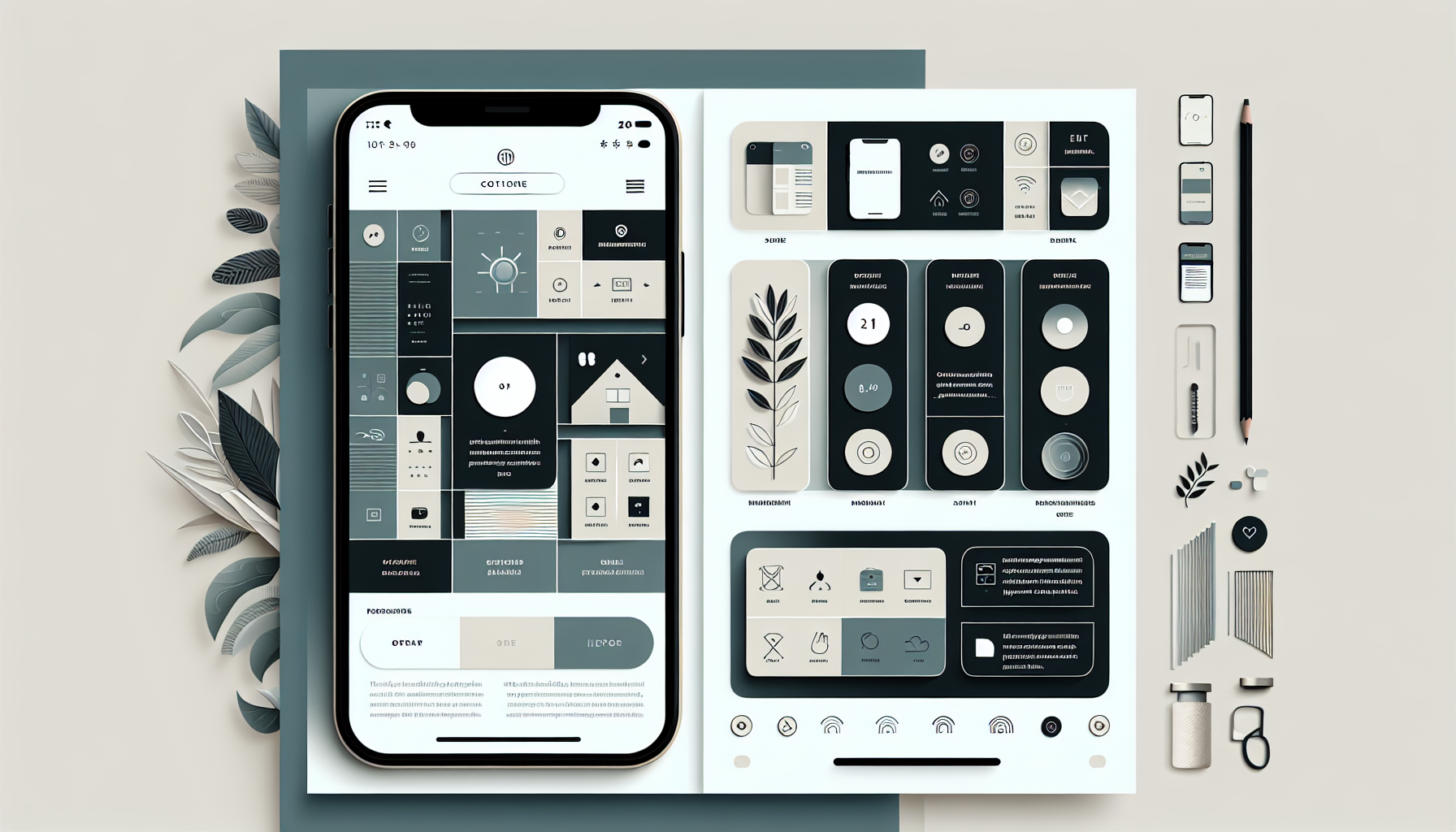
Minimalism continues to thrive, but 2026 brings a new twist. It's not just about stripping down to essentials anymore; it's about doing so with a clear purpose. Think of it like packing for a trip: instead of just taking less, you carefully choose what adds the most value to your journey. In UI/UX, this means prioritizing elements that directly enhance user engagement and satisfaction.
For instance, the design overhaul of a popular travel app cut down unnecessary graphics and emphasized quick access to booking features, boosting its user retention significantly. 
Rise of Voice User Interfaces
Voice User Interfaces (VUIs) are no longer a novelty. As smart speakers and voice assistants become household staples, designing for voice is a skill every UI/UX designer needs. Think of VUIs as the friendly conversation you have with a barista who knows your usual order. It's about creating a seamless and intuitive interaction where users feel understood and catered to.
Consider how a global e-commerce giant enhanced its app by integrating voice search, allowing users to find products faster and easier, especially for those on the go.
Practical Tip: Start Small
Incorporate voice controls into smaller features first, like navigation or simple queries, to gather user feedback and iterate effectively.
Augmented Reality and Virtual Reality
AR and VR are not just for gamers anymore. These technologies are revolutionizing how users interact with products and services online. Imagine trying on clothes virtually or previewing furniture in your home before buying – these experiences are becoming mainstream.
One leading furniture retailer's app allows users to visualize how a couch fits into their living room using AR, enhancing customer satisfaction and reducing returns.
Practical Tip: Keep It Accessible
Ensure your AR/VR experiences are accessible to users with varying abilities, offering alternative ways to engage with the content.
Hyper-Personalization
Personalization in 2026 goes beyond using the user's first name. It's about creating a unique journey tailored to individual preferences and behaviors. Think of it like a bespoke suit – designed specifically for its wearer, ensuring the best fit and style.
A streaming service that curates content based on viewing habits, mood, and even time of day is an excellent example of hyper-personalization in action.
Ethical Design and Inclusivity
Designers are increasingly prioritizing ethics and inclusivity, ensuring products are not just usable but also respectful and empowering for all users. This means considering diverse needs and perspectives right from the design stage.
An example is a banking app that includes features for visually impaired users, enabling them to manage finances independently.
Practical Tip: Conduct Inclusive Research
Engage with diverse user groups during the research phase to uncover unique needs and integrate them into your design process.
Conclusion
In 2026, UI/UX design trends are all about enhancing user experience through minimalism, voice interfaces, AR/VR, personalization, and ethical design. By understanding and applying these trends, you can create digital experiences that are not only functional but also meaningful and engaging. Remember, staying ahead of the curve means continuously adapting and learning.
If you're looking to bring these trends to life in your business, consider partnering with devsEye, a leading digital agency dedicated to helping businesses grow online through innovative design solutions.