As we step into 2026, the world of UI/UX design is bustling with innovation and creativity. With digital experiences becoming more immersive and intuitive, understanding the UI/UX design trends 2026 is crucial for designers aiming to stay ahead. Imagine this: your favorite app now anticipates your every need, creating a seamless journey that feels almost magical. Let's dive into these trends and see how they can transform your designs.
AI-Powered Personalization
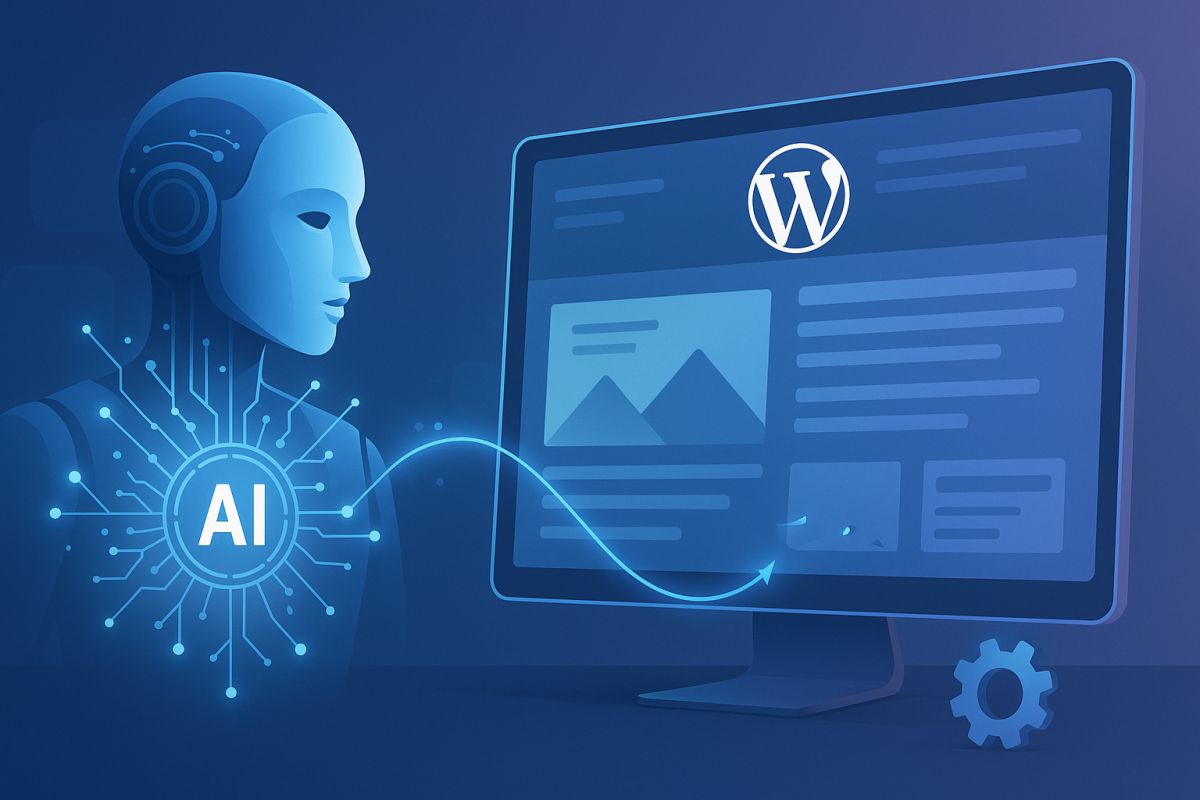
Artificial Intelligence (AI) is no longer just a buzzword; it’s a cornerstone of user interface design. AI technologies are supercharging personalization, tailoring experiences that respond to user behavior in real-time. Consider Netflix, which suggests movies based on your viewing history. This level of personalization is expected to become the norm, helping users feel understood and valued.
How to Implement AI in Your Designs
Start by integrating AI algorithms that analyze user data to provide personalized content and recommendations. Use tools like TensorFlow or IBM Watson to add intelligent features to your apps. Remember, the goal is to enhance user experience, not overwhelm users with unnecessary complexity.
Voice User Interfaces (VUIs)
With the rise of smart speakers and virtual assistants, VUIs are becoming a staple in UX innovations. Devices like Amazon Alexa and Google Home have set the stage for voice interactions, where users can perform tasks hands-free. This trend is set to expand, making digital experiences more accessible and intuitive.
Designing for Voice
When designing VUIs, focus on clarity and simplicity. Create conversational flows that feel natural and intuitive. Use techniques like voice testing to refine your designs, ensuring that users can achieve their goals with minimal friction. Remember, a well-designed VUI should feel like a conversation with a friend, not a command to a robot.
Augmented Reality (AR) and Virtual Reality (VR)
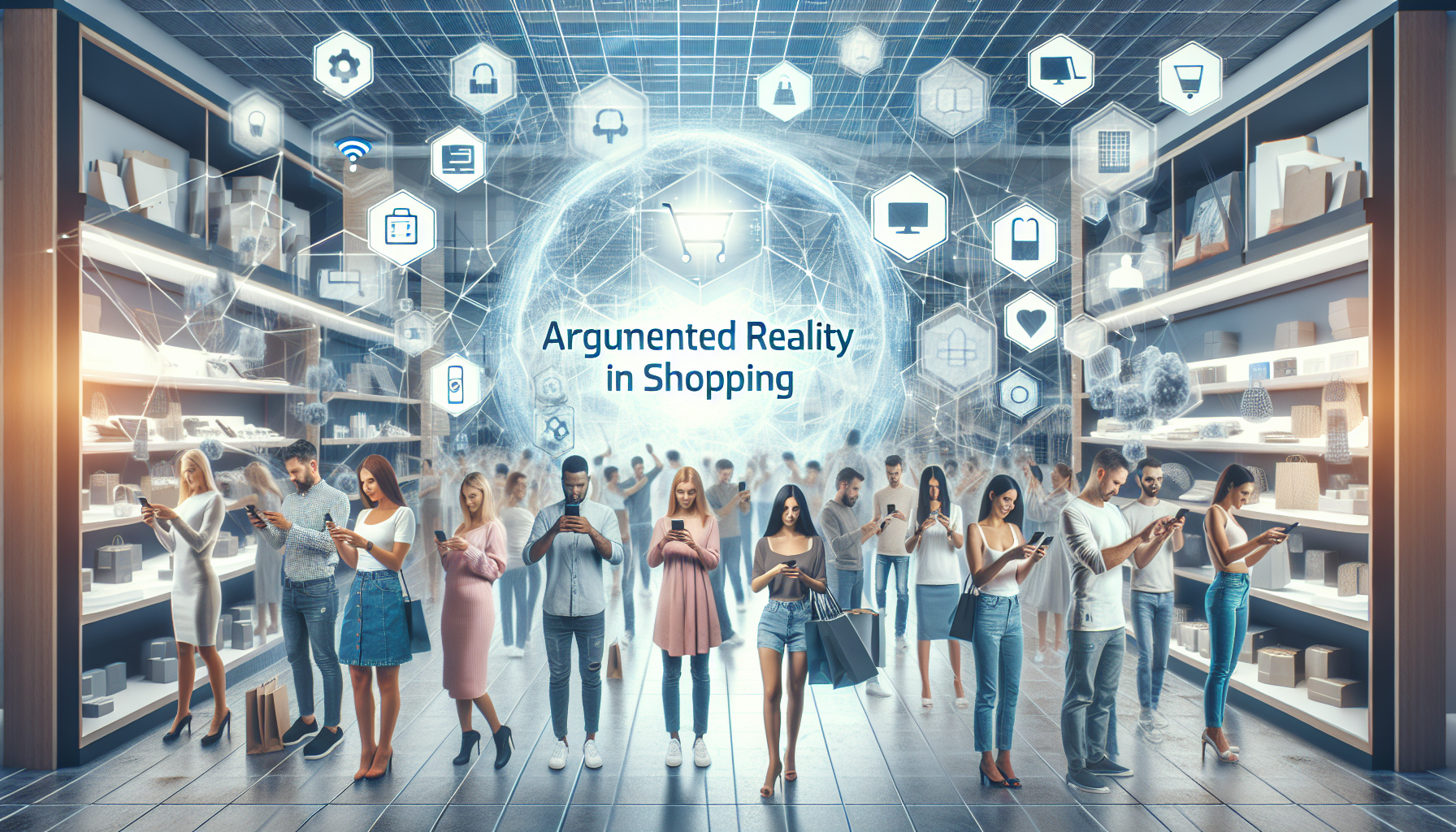
AR and VR are breaking new ground in digital experience 2026. These technologies are not just for gaming anymore; they're transforming how we shop, learn, and interact with the world. Imagine trying on clothes virtually before buying them, or a virtual tour of an apartment you're interested in renting. These experiences are becoming more commonplace as AR and VR technology advances.
Incorporating AR and VR into Your Projects
Begin by identifying areas where AR or VR can add value to your user experience. Tools like Unity and ARKit can help you create immersive experiences. Focus on creating intuitive interactions that merge the digital with the physical world, enhancing rather than complicating the user journey.

Sustainable and Ethical Design
As environmental concerns grow, sustainable and ethical design practices are gaining traction. Users are becoming more conscious of the ecological impact of their digital interactions. Designers are now tasked with creating interfaces that are not only efficient but also environmentally friendly.
Steps Toward Sustainable Design
Consider optimizing your designs for energy efficiency by minimizing data usage and reducing load times. Use eco-friendly color schemes and fonts that require less power to display. Moreover, ensure your designs adhere to ethical standards, respecting user privacy and promoting inclusivity.
Neumorphism and Glassmorphism
Visual trends like Neumorphism and Glassmorphism are reshaping aesthetics in user interface design. Neumorphism combines skeuomorphism and flat design to create soft, 3D-like elements that look tactile, while Glassmorphism introduces transparency and blur effects, reminiscent of frosted glass.
Implementing These Visual Styles
To apply Neumorphism, focus on subtle shadows and highlights that give depth to UI elements. For Glassmorphism, use CSS properties like backdrop-filter to achieve the glass-like effect. Balance is key; these styles should enhance user experience, not distract from functionality.
Conclusion
The UI/UX design trends 2026 are not just about aesthetics; they’re about creating meaningful, personalized, and ethical digital experiences. Embracing these trends will not only improve your designs but also ensure they resonate with users in a rapidly evolving digital landscape. As you implement these strategies, remember that the ultimate goal is to enrich user experiences.
If you're looking to leverage these trends in your projects, consider partnering with devsEye, a digital agency dedicated to helping businesses grow online. They specialize in crafting innovative digital experiences that captivate and engage users.