Advanced Internal Linking Strategies for 2026: Boost Your SEO Efforts
As we move into 2026, mastering advanced internal linking strategies is crucial for enhancing your SEO efforts. Internal linking not only improves navigation but significantly boosts your website's search engine rankings by distributing page authority and increasing user engagement.
Understanding the Importance of Internal Linking
Internal linking involves connecting different pages within your website, providing a clear path for both users and search engines. It plays a vital role in SEO by helping search engines understand the structure of your site and the importance of each page. Moreover, it enhances user experience by guiding visitors to related content, keeping them engaged for longer periods.
Key Internal Linking Strategies for 2026
1. Audit Your Existing Links
Begin by auditing your current internal links. Use tools like Screaming Frog or Google Search Console to identify broken links, orphan pages, and unnecessary redirects. Fixing these issues can significantly improve your site's SEO health.
2. Create a Logical Structure
Design a logical website hierarchy that reflects the importance of your content. Implement a clear silo structure where main topics are supported by subtopics, ensuring that your internal linking reinforces this structure.
3. Use Descriptive Anchor Text
Anchor text should be descriptive and relevant to the linked page's content. Avoid generic terms like "click here" and focus on using keyword-rich phrases that give context to both users and search engines.
4. Leverage Content Hubs
Content hubs are central pages that link out to multiple related articles or resources. They act as a repository of information on a particular topic. By centralizing your internal links around these hubs, you enhance authority and improve SEO.
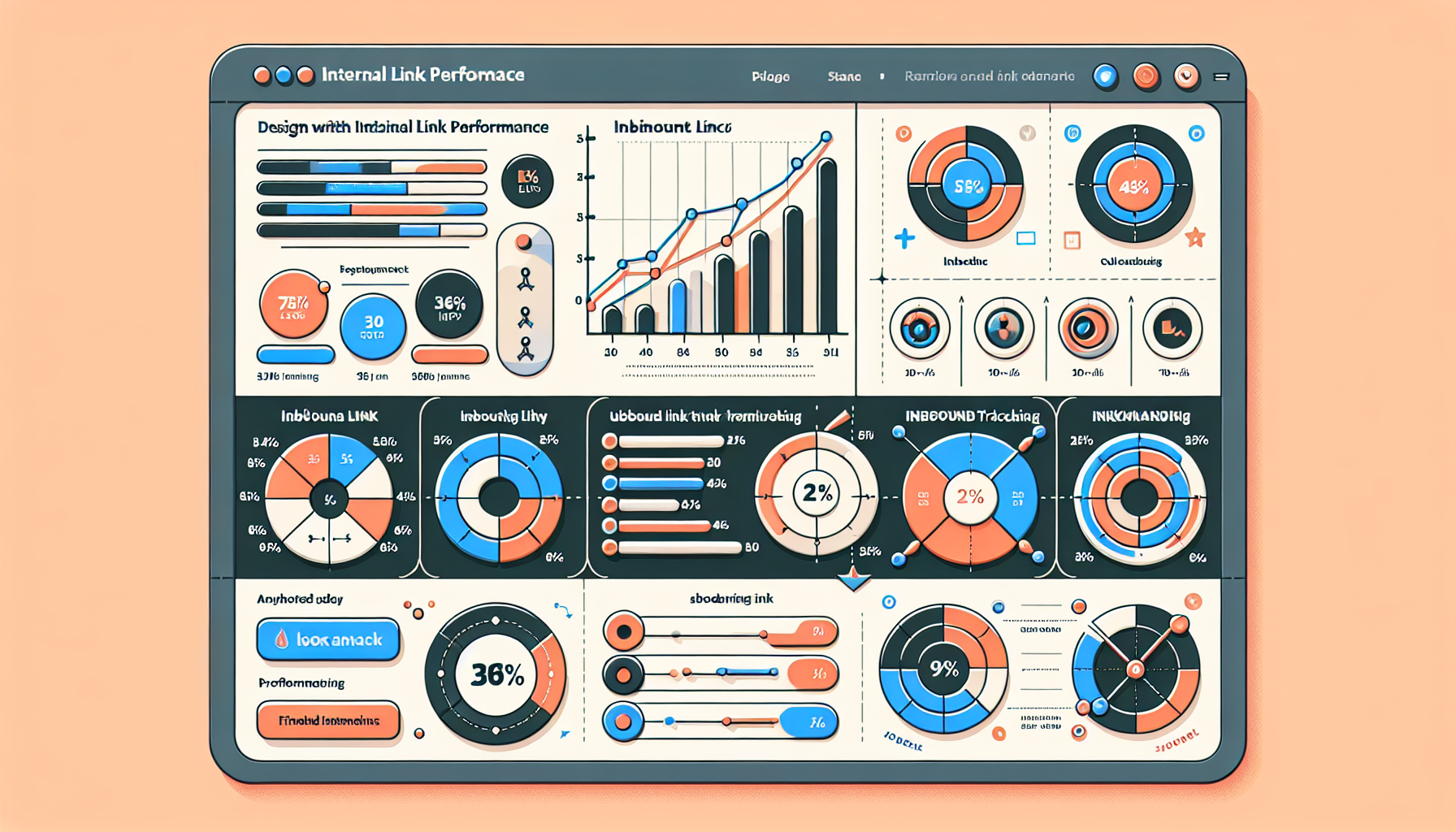
A screenshot of an analytics dashboard showing internal link performance
5. Optimize Linking from High Authority Pages
Identify pages with high authority and ensure they link to other important pages on your site. This strategy helps to distribute link equity effectively, boosting the SEO value of linked pages.
6. Regularly Update Internal Links
As you add new content, ensure it's properly linked within your website's existing structure. Regular updates keep your linking strategy dynamic, helping search engines crawl your site more effectively.
Practical Tips for Effective Internal Linking
1. Maintain a Reasonable Number of Links
While internal linking is beneficial, avoid overwhelming your content with too many links. Stick to a reasonable number that enhances the user experience without appearing spammy.
2. Use Tools to Enhance Efficiency
Consider using plugins or SEO tools that suggest internal linking opportunities. Tools like Yoast SEO and Ahrefs can streamline the process, ensuring you don't miss valuable linking opportunities.
3. Track and Measure Impact
Regularly monitor the performance of your internal links. Use analytics tools to assess metrics such as bounce rate, time on page, and conversion rate improvements attributed to your internal linking strategy.
Conclusion
Implementing advanced internal linking strategies in 2026 can significantly boost your SEO efforts. By focusing on a logical site structure, using descriptive anchor texts, and regularly updating your links, you can enhance visibility and user engagement on your website. As you refine your strategies, consider reaching out to experts like devsEye, a digital agency dedicated to helping businesses grow online with tailored SEO solutions.
Ready to optimize your internal linking strategies? Contact devsEye today to take your website's SEO to the next level!