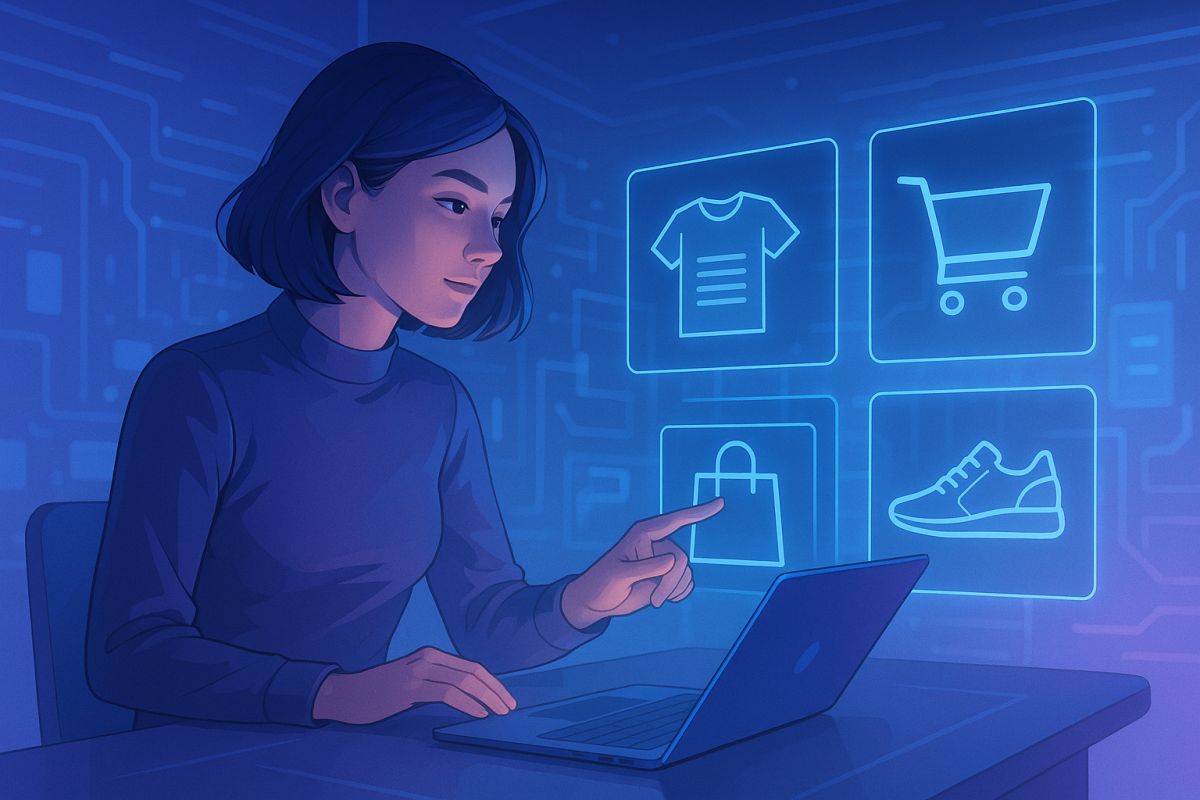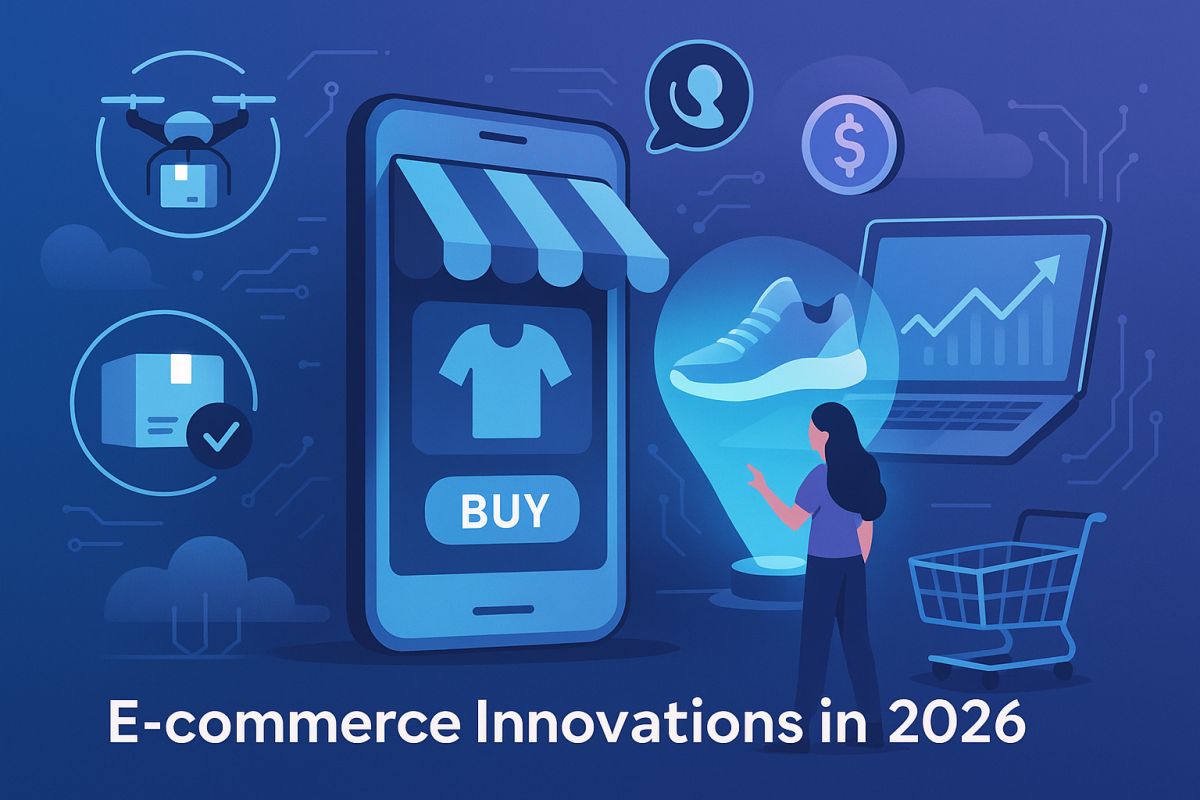
As we find ourselves in 2026, the realm of online shopping is nothing short of revolutionary. E-commerce innovations have continuously reshaped how we interact with digital marketplaces, making the future of online shopping more personalized, efficient, and immersive. Whether you’re a seasoned business owner or a curious shopper, understanding these trends can help you navigate this ever-evolving landscape.
The Rise of AI and Machine Learning in E-Commerce
Artificial Intelligence (AI) and Machine Learning (ML) have become the backbone of e-commerce innovations in 2026. Imagine walking into a store where every item you see is something you’ve been eyeing or might need—AI does just that in the virtual world. By analyzing your browsing history and purchasing habits, e-commerce platforms can now predict and suggest products tailored to your needs.
Take for example Amazon’s recommendation engine, which has evolved to not just suggest products but entire shopping lists based on previous purchases and upcoming trends. This kind of personalization boosts customer satisfaction and increases sales conversions.
Implementing AI in Your Business
If you’re looking to implement AI in your e-commerce business, start small. Use AI-driven chatbots to enhance customer service, providing instant responses to queries. Tools like Drift and Intercom are great starting points for integrating AI into your customer support strategy.
Virtual and Augmented Reality: Changing How We Shop
Virtual Reality (VR) and Augmented Reality (AR) are no longer futuristic concepts; they’re here, and they’re transforming online shopping experiences. Imagine trying on clothes without stepping into a store or visualizing how a new sofa would look in your living room—AR makes this possible.
Brands like IKEA have successfully implemented AR in their apps, allowing customers to see how furniture fits into their spaces before making a purchase. This minimizes the risk of returns and enhances the shopping experience.
Getting Started with VR and AR
To leverage these technologies, consider platforms like Shopify AR or Adobe Aero. They offer user-friendly tools to integrate AR experiences into your e-commerce site, making it more engaging and interactive.

Sustainability: A Key Trend Influencing Purchases
Today’s consumers are increasingly eco-conscious, and e-commerce innovations are reflecting this shift. Sustainable practices are not just a trend but a necessity in 2026. From eco-friendly packaging to carbon-neutral shipping options, businesses are prioritizing sustainability to appeal to green-minded shoppers.
Patagonia, for instance, has set a benchmark by committing to using recycled materials and promoting environmental causes, resonating with consumers who prioritize sustainability in their shopping choices.
Incorporating Sustainability into Your E-Commerce Strategy
Start by evaluating your current practices. Can you switch to biodegradable packaging? How about partnering with carbon-offset programs for shipping? Companies like EcoCart offer solutions to help businesses make a positive environmental impact.
The Evolution of Payment Systems
As we move further into 2026, the way we pay for goods online has drastically changed. The adoption of blockchain technology and cryptocurrencies is becoming mainstream, offering secure, transparent transactions. At the same time, digital wallets and contactless payments continue to grow, making purchases quicker and more convenient.
Consider the case of PayPal and its integration of cryptocurrency transactions, which has opened new avenues for both consumers and merchants. This flexibility in payment options is crucial for meeting diverse customer preferences.
Enhancing Your Payment Options
To stay competitive, ensure your e-commerce platform supports multiple payment methods, including digital wallets like Apple Pay and Google Wallet, as well as cryptocurrency options. Tools like Stripe and Square can help seamlessly integrate these payment systems.
Actionable Tips to Stay Ahead
- Adopt AI tools to personalize the shopping experience and increase customer engagement.
- Explore AR and VR technologies to create immersive product interactions.
- Commit to sustainable practices to attract eco-conscious consumers.
- Expand payment options to include digital currencies and wallets.
Conclusion
E-commerce innovations in 2026 are redefining the future of online shopping, offering endless opportunities for businesses to connect with consumers in meaningful ways. By embracing these trends—from AI and AR to sustainable practices and diverse payment systems—you can position your business for success in this dynamic environment.
If you’re ready to take your e-commerce strategy to the next level, consider partnering with devsEye, a digital agency dedicated to helping businesses grow online through innovative solutions. Let’s shape the future of online shopping together!